Halong food is an essential part of the Halong Bay travel experience, shaped by fresh seafood and long-standing coastal traditions. From iconic dishes made with locally caught squid to sweet shrimp, crab, and shellfish prepared in simple local styles, Halong food reflects the natural richness of the bay. This guide highlights the must-try seafood dishes in Halong Bay, along with practical tips to help travelers enjoy authentic flavors during their visit.
Halong food: what to eat when visiting Halong Bay
Halong Bay is not only famous for its dramatic limestone scenery but also for its distinctive coastal cuisine. The food here is deeply influenced by daily life on the water, where freshness and simplicity are highly valued. Seafood plays a central role in Halong food, with ingredients often sourced directly from the bay and prepared in ways that highlight their natural flavors rather than heavy seasoning.
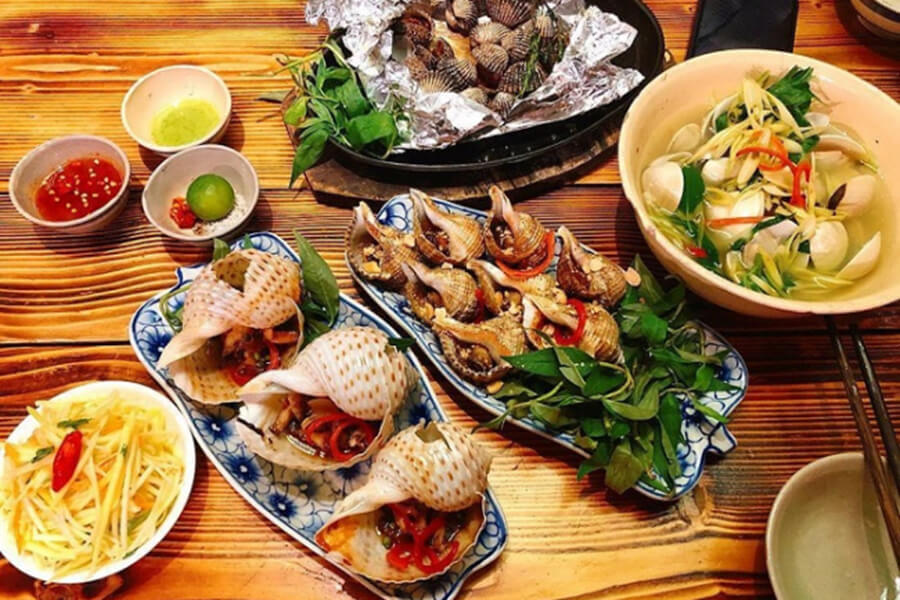
Visitors to Halong Bay will find that many local dishes focus on squid, shrimp, fish, clams, and oysters. These ingredients are commonly grilled, steamed, or lightly stir-fried to preserve their texture and taste. One of the most well-known specialties is Halong squid cake, made from freshly pounded squid and prized for its firm bite and rich aroma. It is often served with sticky rice or plain rice noodles and is considered a signature dish of the region.
Beyond seafood, Halong food reflects a balance between traditional Vietnamese cooking and the needs of modern travelers. Many meals include fresh vegetables, light broths, and familiar flavors that are easy to enjoy even for first-time visitors to Vietnam. Whether eaten at a local restaurant or served onboard a cruise, Halong food offers a satisfying and approachable introduction to northern Vietnam’s coastal cuisine.
Must-try seafood dishes in Halong Bay
Seafood is at the core of Halong food culture, shaped by the bay’s rich marine life and long-standing fishing traditions. Thanks to daily catches from local fishermen, seafood in Halong Bay is known for its freshness and natural flavor. With so many options available, knowing which dishes truly represent the region helps travelers enjoy the best of Halong cuisine without feeling overwhelmed by long menus or tourist-oriented choices.
Fresh squid and Halong squid cake (Cha muc)
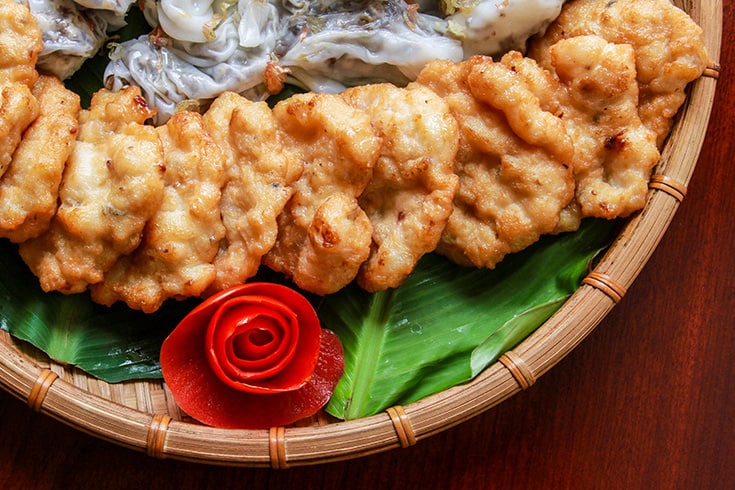
Squid is one of the most iconic ingredients in Halong Bay, prized for its firm texture and natural sweetness. While grilled or steamed squid is easy to find, the standout specialty is Halong squid cake (cha muc) a dish that has become a symbol of the region. Made from freshly hand-pounded squid rather than minced paste, cha muc has a distinctive chewy bite and rich aroma that sets it apart from similar dishes elsewhere in Vietnam.
For travelers, this dish is both accessible and memorable. Cha muc is often served with sticky rice or rice noodles and a light dipping sauce. Prices typically range from 150,000 – 250,000 VND per portion at local restaurants, depending on quality and location. Because of its popularity, many visitors choose to enjoy this dish early in their trip to get a true taste of Halong’s culinary identity.
Steamed shrimp, crab, and mantis shrimp
Steaming is one of the most common ways to prepare seafood in Halong Bay, as it preserves the ingredients’ original flavor. Local shrimp and crab are known for their sweetness and tender meat, while mantis shrimp—a regional favorite—offers a firmer texture and rich taste. These dishes are usually served simply with salt, pepper, and lime, allowing the seafood itself to shine.
Prices for steamed seafood vary by weight and season. Shrimp and crab typically range from 300,000 – 700,000 VND per kilogram, while mantis shrimp may be slightly higher due to availability. Travelers should always confirm prices before ordering, especially at markets or casual eateries, but the quality and freshness usually make these dishes well worth trying.
Clams, oysters, and shellfish specialties
Clams and oysters are widely harvested in Halong Bay and appear on almost every seafood menu. Popular preparations include steamed clams with lemongrass, grilled oysters topped with scallion oil and peanuts, and stir-fried shellfish with light seasoning. These dishes are aromatic, flavorful, and generally easy to enjoy even for travelers new to Vietnamese cuisine.
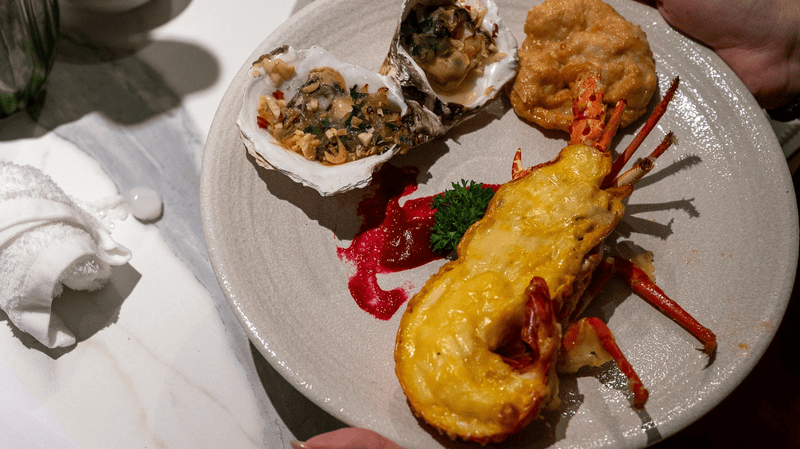
Shellfish dishes are often more budget-friendly, with prices ranging from 80,000 – 200,000 VND per plate, making them ideal for sharing. Because they are lighter and less filling, many visitors order several shellfish dishes at once to sample a variety of flavors without committing to a single main course.
Fresh fish prepared in local styles
Fresh fish from the bay is commonly grilled, pan-fried, or cooked in light soups that highlight balance rather than heavy seasoning. Local recipes focus on freshness, often using minimal spices alongside herbs, vegetables, and dipping sauces. Fish dishes are typically served with rice and shared among the table, reflecting the communal dining style common in coastal Vietnam.
Prices depend on the type of fish and preparation, usually starting from 200,000 – 400,000 VND per dish. For travelers who prefer milder flavors or less oily food, these fish dishes offer a comforting and satisfying option while still showcasing the essence of Halong’s coastal cuisine.
Read more: Where is Ha Long Bay in Vietnam? Full location guide
Where to enjoy the best Halong food
Once you know what to eat, the next question is where to enjoy it. In Halong Bay, the dining location can shape the entire experience, from the freshness of the seafood to the atmosphere surrounding the meal. Whether you choose to dine on land or on the water, each setting offers a different way to experience Halong food some more vibrant and local, others calmer and more refined.
Local seafood restaurants in Halong City
Many travelers choose to enjoy Halong food at local seafood restaurants around Halong City and Bai Chay. These restaurants often display live seafood, allowing guests to select their ingredients before cooking. Dining on land gives you the chance to experience local flavors in a lively setting, but it can also be crowded during peak seasons, and quality may vary from place to place.
Seafood markets and coastal eateries
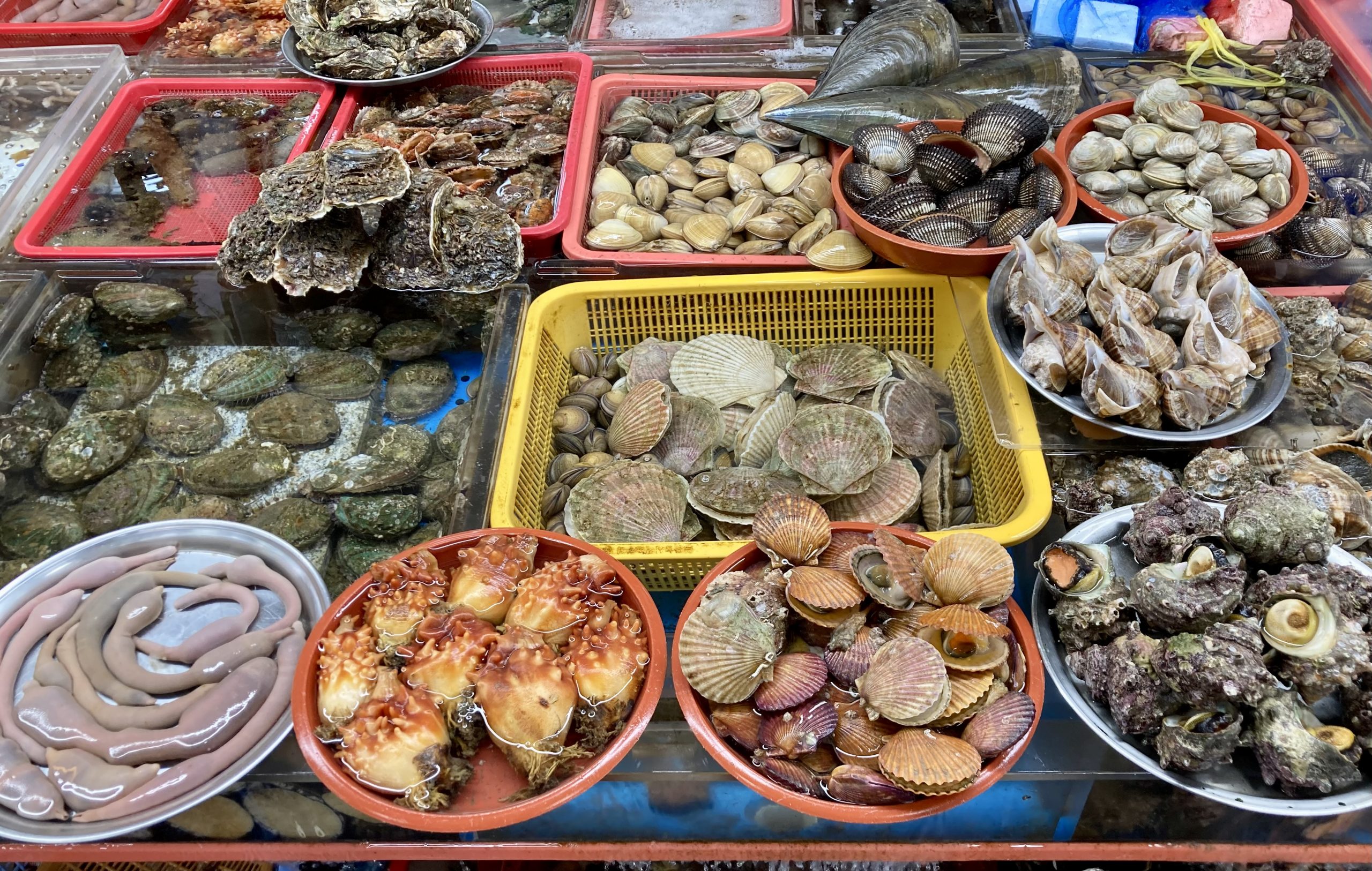
Seafood markets near the harbor offer another way to experience Halong food. Here, visitors can see the day’s catch and enjoy freshly prepared dishes at nearby eateries. This option feels more authentic and local, though it usually requires some knowledge of prices and preparation styles to avoid confusion or unexpected costs.
Dining on a Halong Bay cruise
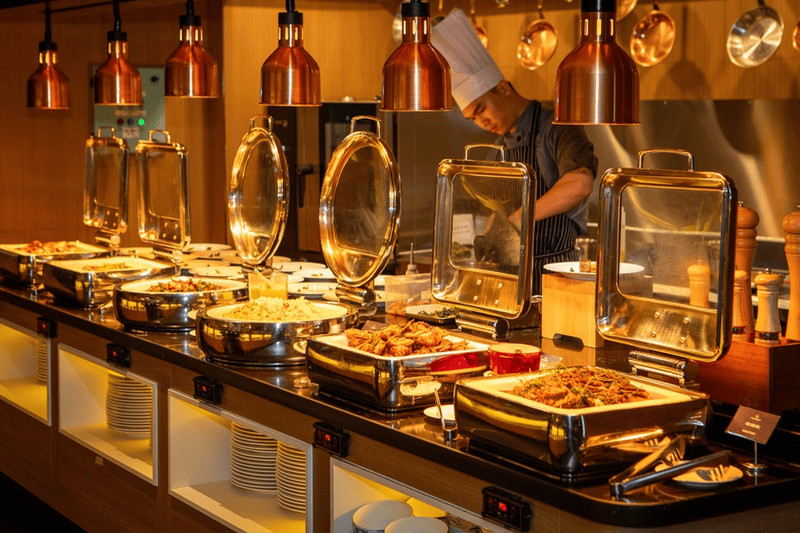
For travelers seeking convenience and comfort, dining on a Halong Bay cruise is an increasingly popular choice. Meals are prepared onboard by professional chefs using fresh seafood, and served in a calm, scenic environment while cruising through the bay. Instead of moving between restaurants, guests can enjoy a variety of dishes without leaving the ship.
Luxury dining experience with Grand Pioneer Cruise
Luxury cruises such as Grand Pioneer Cruise elevate Halong food by combining high-quality cuisine with attentive service and panoramic views. Carefully curated menus, elegant dining spaces, and a relaxed atmosphere allow guests to enjoy Halong’s seafood in a refined setting, making each meal part of the overall cruising experience rather than just a place to eat.
Is Halong food better on land or on a cruise?
Choosing where to enjoy Halong food can shape your entire experience. Both options have clear strengths, and the best choice often depends on how much time you have, your travel style, and whether you prefer flexibility or comfort. Understanding the trade-offs helps you decide what will truly suit your trip.
Pros and cons of eating on land
Dining on land gives you more variety. You can explore different restaurants, try street-style seafood spots, and visit local markets to see the day’s catch. This can feel lively and authentic, especially for travelers who enjoy discovering places on their own.
However, eating on land also means travel time and unpredictability moving between locations, dealing with crowds in peak season, and varying food quality. For short stays, time spent commuting can quickly add up and reduce time on the bay itself.
Pros and cons of eating on a cruise
Eating on a cruise prioritizes convenience and consistency. Meals are prepared by professional chefs, quality is carefully controlled, and everything is served on schedule no searching for restaurants or navigating unfamiliar areas. The atmosphere is another major advantage: dining with uninterrupted views of limestone islands adds a sense of calm and occasion that’s hard to match on land.
The trade-off is less menu-hopping, but for many travelers, the comfort, reliability, and scenery more than make up for it.
Explore the exquisite food menu on Grand Pioneer Cruise
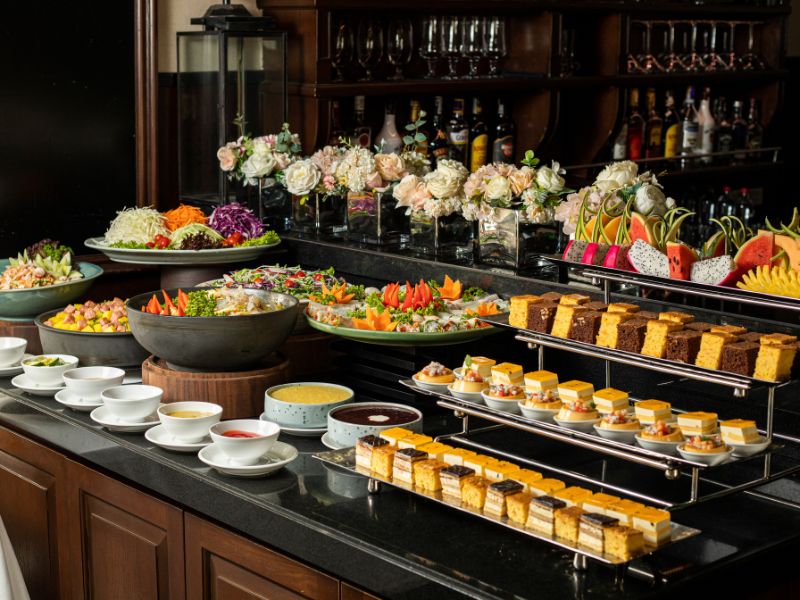
Dining aboard Grand Pioneer Cruise is much more than a routine meal it’s a culinary journey that complements the beauty of Halong Bay. Every dish is thoughtfully crafted to reflect the cruise’s luxury standards, blending the freshest local ingredients with refined international flavors. From elegant breakfasts with panoramic views to premium buffet lunches and sophisticated fine-dining dinners, the menu is designed to delight both casual travelers and discerning food lovers alike.
Whether you’re starting your day with a balanced selection of continental and Vietnamese breakfast options, savoring fresh seafood and global favorites at lunch, or indulging in a curated fine-dining dinner featuring highlights like baked lobster and Ha Long squid cake, meals on Grand Pioneer Cruise are meant to be memorable moments of your journey. Vegetarian, vegan, and special dietary requests can also be accommodated with advance notice, ensuring every guest feels valued and well-catered throughout their cruise experience.
Halong food for different types of travelers
Halong food is diverse enough to suit a wide range of travel styles, and understanding how it fits different needs can help visitors enjoy their meals more comfortably. Whether you are traveling as a couple, with family, or as a senior traveler, the way food is prepared and served can greatly affect your overall experience.
- For couples and honeymoon travelers, Halong food often becomes part of a romantic setting rather than just a meal. Fresh seafood dinners enjoyed at sunset, elegant plating, and quiet dining spaces create a relaxed and intimate atmosphere. Many couples prefer dining on a cruise, where meals are paced slowly and paired with uninterrupted views of the bay.
- Families with children usually look for meals that are easy to eat, safe, and flexible. Halong food offers many child-friendly options such as steamed seafood, soups, rice dishes, and lightly seasoned meals. Dining on a cruise can be especially convenient for families, as menus are curated, meal times are fixed, and parents don’t need to worry about moving between restaurants.
- For senior travelers, simplicity and comfort matter most. Halong food prepared in local styles steamed fish, light soups, shellfish, and vegetable-based dishes tends to be gentle on the stomach and easy to enjoy. Cruises with professional kitchens and attentive service are often preferred, as they allow dietary needs to be handled carefully while maintaining a relaxed dining environment.
Best time to enjoy Halong food
Timing plays an important role in the quality and enjoyment of Halong food. Because seafood availability and freshness depend on weather and fishing conditions, visiting Halong Bay during the right season can noticeably enhance the dining experience.
The best time to enjoy Halong food is generally from October to April. During these months, the weather is cooler and calmer, making fishing conditions more stable. This often results in better-quality seafood, clearer flavors, and more comfortable dining whether on land or on the water. Autumn and spring are especially ideal for enjoying seafood dinners outdoors or on a cruise deck.
From June to August, seafood remains abundant, but this period also brings higher humidity, occasional storms, and peak tourism. Prices at local restaurants may increase, and dining areas can feel crowded. Travelers visiting during this time often prefer cruise dining, where food quality and pricing are fixed and meals are served in a controlled, comfortable setting regardless of weather conditions.
Choosing the right season not only improves what you eat, but also how you experience Halong food as a relaxed and enjoyable part of your journey rather than a rushed or unpredictable activity.
Read more: Grand Pioneer cruise food – Dining experience, menus & guest reviews
Halong food is an essential part of the Halong Bay experience, shaped by fresh seafood, coastal traditions, and simple preparations that highlight natural flavors. Whether enjoyed at a local restaurant or onboard a cruise, food connects travelers to the rhythm of life on the bay.
Choosing the right dining setting can elevate your trip from a sightseeing tour to a fully immersive journey. For travelers who value comfort, scenic dining, and a seamless experience, enjoying Halong food as part of a complete luxury cruise with Grand Pioneer Cruise offers a refined way to taste the bay while experiencing its beauty at a relaxed pace.